
Have Questions? Talk to Expert (Binod)
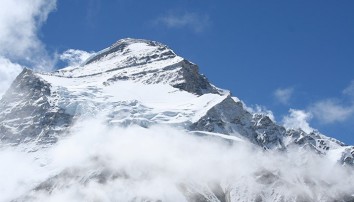
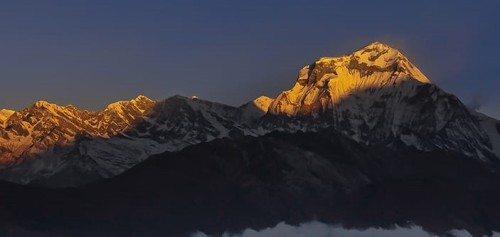
Rising to 7,129 meters (23,389 ft), Baruntse Peak is one of the most spectacular yet underrated mountains in the Nepal Himalayas. Nestled between the iconic Everest and Makalu regions, Baruntse offers seasoned climbers a perfect combination of technical ascent, awe-inspiring vistas, and Himalayan solitude. The Baruntse Peak climb is gaining popularity among mountaineers seeking a rewarding alternative to more crowded peaks.
Organized professionally by Himalayan Adventure International Treks, the Baruntse expedition offers a full-service experience — from logistics and guides to safety and summit support. For many, this expedition is a stepping stone toward even more ambitious summits like Manaslu, Makalu, or Shishapangma.
One of the most popular combinations for acclimatization and adventure is the Baruntse and Mera climbing expedition. Mera Peak, standing at 6,476 meters, is often used as a warm-up climb before Baruntse. This combination not only aids in gradual acclimatization but also offers the thrill of conquering two significant Himalayan peaks in one expedition.
The route typically begins with the Mera Peak expedition, allowing climbers to gain valuable high-altitude experience and confidence before tackling the more technical Baruntse climb. Himalayan Adventure International Treks offers a comprehensive Baruntse expedition itinerary including Mera Peak, ensuring climbers are well-prepared for the challenges ahead.
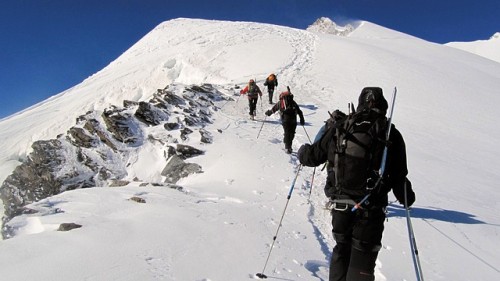
A common question among climbers is: How hard is climbing Baruntse? The difficulty level of Baruntse is considered moderate to challenging. While not as technically demanding as Ama Dablam or Annapurna I, it requires solid alpine skills. Climbers will encounter steep ice and snow slopes (up to 50°), crevasse zones, and knife-edged ridges.
The key technical challenge is the ascent to the East Col and the summit ridge, which may require fixed rope climbing and the use of ascenders and jumar devices. Hence, Baruntse is best suited for climbers with prior high-altitude experience and good physical fitness. It’s often graded as Alpine PD+ to AD, answering the question: What is the grade of Baruntse?
Here is a typical Baruntse expedition itinerary including Mera Peak with Himalayan Adventure International Treks:
Airport pickup, welcome dinner, and expedition briefing.
Final gear checks, permit processing, and cultural sightseeing.
Scenic walk through Hinku Valley.
Pre-climb training and summit push.
Rotations to Camp I (6,000m) and Camp II (6,400m), followed by summit push.
Adventurous descent with rope-assisted crossing.
This itinerary ensures progressive acclimatization and gives climbers ample time for summit attempts, weather contingencies, and rest days.
The Baruntse Expedition Cost depends on group size, support levels, and whether you include Mera Peak in the package. On average, a full-service expedition ranges from USD 8,500 to USD 11,000 per person with Himalayan Adventure International Treks. This includes:
Climbing permits (Baruntse + Mera Peak)
Domestic flights (Kathmandu–Lukla–Kathmandu)
All meals and accommodations during the trek
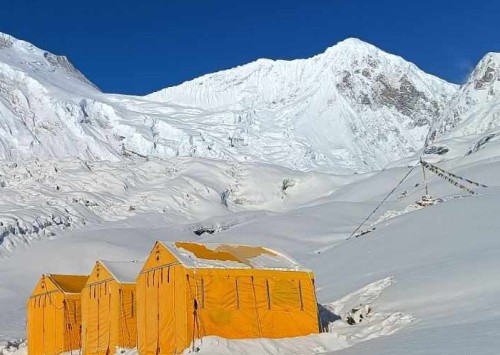
Base camp setup, tents, kitchen staff
Professional climbing guides and porters
Group climbing equipment and fixed ropes
Insurance for Nepali staff
Government taxes
Additional costs may include personal gear, travel insurance, tips, and emergency evacuation (if needed).
When booked separately, the Mera Peak expedition cost ranges from USD 2,200 to USD 2,800, depending on services included. However, combining it with Baruntse as a warm-up climb can reduce costs and increase efficiency.
Many climbers consider foreign-based companies like Adventure Peaks Baruntse, but Himalayan Adventure International Treks offers comparable (or better) service with added local expertise. Our advantages include:
Veteran Sherpa climbing guides with summit records
Locally sourced logistics and supplies
Competitive pricing
Deep cultural understanding
Custom itineraries and small-group focus
If you're planning future climbs, it's worth comparing Baruntse with other popular Himalayan expeditions offered by Himalayan Adventure International Treks.
Altitude: 6,812m
Difficulty: Highly technical
Duration: ~28 days
Ama Dablam expedition cost: USD 6,500–USD 8,000
A prestigious peak for climbers with advanced rock and ice skills.
Altitude: 8,163m (8th highest peak)
Duration: ~35 days
Manaslu expedition cost: USD 12,500–USD 14,000
Considered one of the safer 8000ers with relatively fewer technical demands.
Altitude: 6,119m
Ideal as an introductory peak
Duration: ~18 days
Cost: USD 2,200–USD 2,800
Altitude: 7,126m
Off-the-beaten-track peak near the Tibetan border
Duration: ~30 days
Cost: USD 7,000–USD 9,000
Altitude: 8,091m
Among the most dangerous peaks (high fatality rate)
Cost: USD 18,000–USD 22,000
Requires elite climbing proficiency.
Altitude: 8,485m
Highly technical and demanding
Makalu expedition cost: USD 16,000–USD 20,000
Altitude: 8,027m
Located in Tibet; currently subject to Chinese permit restrictions
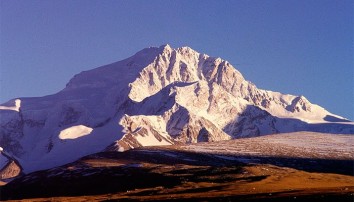
How much does the Shishapangma expedition cost? Approximately USD 15,000–USD 18,000
Each of these climbs offers a unique set of challenges and rewards. Baruntse stands out as a “bridge” between high-altitude trekking peaks like Mera and technical 8000ers such as Manaslu or Makalu.
The ideal times to attempt the Baruntse climb are:
Pre-Monsoon (Spring): April to early June
Post-Monsoon (Autumn): Late September to November
These seasons offer the most stable weather, moderate temperatures, and better summit success rates. Spring offers more snow and glacier coverage, while autumn offers clearer skies.
Climbers should undertake at least 6–8 months of physical preparation, focusing on:
Cardiovascular endurance (running, hiking)
Strength training (core, legs, back)
Altitude conditioning (hypoxic training if possible)
Basic mountaineering skills (ropework, crampon use, self-arrest)
Previous experience on peaks above 6,000 meters is highly recommended.
If you’re looking for an unforgettable Himalayan adventure that challenges your limits without overwhelming technical difficulty, the Baruntse Peak climb is a perfect choice. It offers a diverse landscape, less crowded routes, and a chance to summit a majestic 7,000+ meter peak with professional support from Himalayan Adventure International Treks.
Whether you’re stepping up from Mera or Lobuche, or preparing for giants like Manaslu and Makalu, Baruntse bridges the gap with both thrill and grace.
Contact Himalayan Adventure International Treks today to join our next Baruntse Expedition 2025/26 and experience the grandeur of the Himalayas with unmatched service and safety.
Upon your arrival at Tribhuvan International Airport in Kathmandu, our representative will greet you and transfer you to your hotel. Take some time to rest and recover from your journey. In the evening, explore the vibrant streets of Thamel and enjoy your first taste of Nepalese cuisine.
Today is dedicated to trip preparation and a comprehensive briefing about the upcoming adventure. Meet with your expedition leader and fellow trekkers. Use the rest of the day to explore Kathmandu, visiting iconic sites such as Swayambhunath Stupa and Durbar Square.
Take an early morning flight to Lukla, the gateway to the Everest region. Begin your trek to Chhutang, passing through picturesque landscapes and small Sherpa villages. Reach Chhutang in the evening and stay in a cozy lodge.
Embark on a challenging trek to Thuli Kharka, crossing the Zatrawa La Pass, which offers breathtaking panoramic views of the surrounding mountains. Enjoy a comfortable evening at a lodge in Thuli Kharka.
Continue your trek to Kothe, a serene and remote village. The trail takes you through dense forests and opens up to stunning vistas. Arrive at Kothe, relax, and immerse yourself in the tranquil atmosphere.
The trail ascends to Thangnak, a high-altitude settlement with spectacular views of Mera Peak. Explore the surroundings and acclimate to the increasing altitude.
Reach Khare, the base for Mera Peak and Baruntse expeditions. Take it easy and allow your body to adjust to the higher altitude. Enjoy the mountainous scenery that surrounds Khare.
Use this day for acclimatization and exploration. Hike to higher elevations and enjoy the stunning views of the Himalayan peaks. Learn about high-altitude mountaineering techniques from your guides.
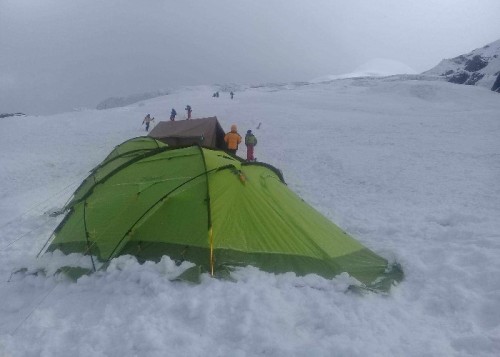
Today marks the ascent to higher altitudes as you trek to the High Camp at 5650 meters. The trail challenges you with steep ascents and rocky terrain, but the mesmerizing views of the surrounding peaks make every step worthwhile. As you reach the High Camp, set up your tents against the backdrop of the towering Himalayan peaks. The evening sky at this elevation is a canvas of stars, offering a truly magical camping experience. Rest well, as the next day holds a thrilling climb to Mera Center.
The highlight of your journey unfolds as you climb to Mera Peak, standing proudly at 6476 meters. Begin the ascent in the early morning, navigating through snow and ice with the assistance of your experienced guides. The panoramic views from the summit are nothing short of spectacular, offering a 360-degree vista of the Himalayan giants.
After relishing the accomplishment at the summit, begin the descent back to Kongmading. The descent requires careful navigation through the challenging terrain, making it an equally thrilling part of the adventure. Arriving in Kongmading, the transition from the alpine wilderness to the comforts of a lodge. Share stories of your summit success with fellow trekkers and enjoy a well-deserved rest in the lower altitude. The lodge provides warmth, hearty meals, and the satisfaction of a successful climb. Reflect on the day's achievement, surrounded by the serenity of the Himalayan night.
Continue your journey to Seto Pokhari, a beautiful glacial lake surrounded by towering peaks. Camp near the lake and enjoy a night under the starlit sky.
Arrive at Baruntse Base Camp, your home for the upcoming climbing period. Set up camp, prepare your equipment, and undergo final briefings with the climbing team.
Embark on the challenging climb from Baruntse Base Camp to the summit at 7130 meters. Celebrate your achievement and take in the awe-inspiring views from the top. Descend to base camp for a well-deserved rest.
Participate in base camp clean-up activities before descending to Kongmadin. Camp amidst the rugged landscape and relish the accomplishment of reaching the Baruntse summit.
Retrace your steps back to Khare. Enjoy the familiar landscapes with a sense of accomplishment as you descend to lower altitudes.
Continue your descent, passing through Thangnak and Kothe. Enjoy the diverse landscapes and unwind in the comfort of a lodge.
Descend further to Thuli Kharka, savoring the final moments in the high-altitude wilderness. Spend the night in a lodge, reminiscing about your incredible journey.
Embark on the final leg of your trek, heading back to Lukla. This day offers a mix of nostalgia and a sense of accomplishment as you approach the end of your journey. Celebrate with your trekking companions in Lukla.
Take a scenic flight back to Kathmandu and transfer to your hotel. In the evening, gather for a farewell dinner with your guides and fellow trekkers. Reflect on the unforgettable experiences and friendships formed during the expedition.
Spend your last day in Kathmandu at leisure. Explore any remaining sights, shop for souvenirs, or simply relax. This is an opportunity to soak in the rich cultural atmosphere of the city.
Bid farewell to Kathmandu as you head to the airport for your departure. Carry the memories of your extraordinary adventure in the Himalayas and the sense of achievement from conquering Baruntse. Until next time, Nepal!
Baruntse Peak is a prominent 7,129-meter mountain located in the Khumbu region of Nepal, standing between Everest and Makalu. It is renowned for its challenging climbing routes and stunning views.
Baruntse offers a mix of technical climbing challenges and relatively less crowded routes compared to Everest or Lhotse. It's a perfect peak for those looking to test their high-altitude climbing skills.
The Baruntse Climbing Expedition is considered challenging due to its technical sections, high altitude, and unpredictable weather. Experience in ice, rock, and snow climbing is recommended.
The best time to climb Baruntse is during the pre-monsoon (April to May) and post-monsoon (September to November) seasons when the weather is stable, and visibility is clear.
Climbers need the Baruntse Peak Climbing Permit, Sagarmatha National Park Permit, and Makalu-Barun National Park Permit. These permits are arranged by Himalayan Adventure Intl Treks.
Physical preparation should include cardiovascular training, strength conditioning, and specific training for endurance, altitude acclimatization, and technical climbing.
Climbers should be proficient in ice climbing, rope handling, crevasse rescue, and using crampons and ice axes. Prior high-altitude climbing experience is highly recommended.
The itinerary generally includes a flight to Lukla, trekking through the Khumbu region, acclimatization at Mera Peak or Amphu Laptsa, setting up base camps, and the final summit push.
Accommodation includes teahouses during the trekking phase and tented camps above the base camp. Himalayan Adventure Intl Treks ensures comfortable arrangements.
Yes, proper acclimatization is crucial to avoid altitude sickness. The itinerary includes rest days and gradual ascents to help climbers acclimatize effectively.
Nutritious meals including local and international dishes are provided. Above base camp, climbers will have high-energy foods suitable for extreme conditions.
Gradual ascent, hydration, and rest are key. Himalayan Adventure Intl Treks includes acclimatization days and provides support to manage altitude sickness.
Essential gear includes technical climbing equipment like ice axes, crampons, ropes, helmets, and harnesses, as well as cold-weather clothing, sleeping bags, and mountaineering boots.
Yes, many items such as ice axes, crampons, and climbing boots can be rented in Kathmandu. Himalayan Adventure Intl Treks can assist with the rental process.
Experienced guides lead the climb, providing expertise and ensuring safety. Porters help carry gear and supplies, allowing climbers to conserve energy for the ascent.
The cost varies depending on the services included, such as permits, guides, equipment, and accommodation. Himalayan Adventure Intl Treks offers competitive pricing with comprehensive packages.
Climbers should undergo rigorous training including high-altitude trekking, technical climbing practice, and strength conditioning to prepare for Baruntse.
The entire expedition typically takes around 35-40 days, including trekking, acclimatization, and the summit attempt.
Yes, comprehensive travel and climbing insurance covering high-altitude evacuation, medical emergencies, and trip cancellation is mandatory.
Risks include altitude sickness, extreme weather, avalanches, and crevasse falls. Proper preparation and experienced guides mitigate these risks.
Communication is limited in high-altitude areas, but satellite phones and walkie-talkies are used for emergencies. Teahouses may offer limited Wi-Fi.
Himalayan Adventure Intl Treks offers comprehensive support, including permits, guides, porters, logistics, gear, acclimatization plans, and emergency support.
Baruntse is not recommended for beginners due to its technical challenges and high altitude. It’s best suited for experienced climbers with prior 6000m+ peaks experience.
Weather can be unpredictable with extreme cold, high winds, and sudden snowstorms. The best seasons offer relatively stable conditions, but climbers must be prepared for sudden changes.
Success rates vary, but with proper acclimatization, preparation, and experienced guides, many climbers achieve the summit. Himalayan Adventure Intl Treks ensures a high success rate through expert planning.
Yes, climbers often combine Baruntse with Mera Peak or Island Peak for acclimatization and additional adventure. Himalayan Adventure Intl Treks offers combined peak climbing packages.
The Southeast Ridge is the most common route, involving glacier travel, steep snow slopes, and a final summit ridge with crevasses and seracs.
The expedition passes through Sherpa villages, offering cultural insights into the lives of local communities, Buddhist monasteries, and traditional customs.
Solo climbs are not recommended due to the technical challenges and risks involved. Climbing with a group or guide is safer and more efficient.
Himalayan Adventure Intl Treks arranges comfortable hotels in Kathmandu, with options ranging from budget to luxury, ensuring a restful stay before and after the climb.
Guides employed by Himalayan Adventure Intl Treks are highly trained with certifications in mountaineering, first aid, and high-altitude rescue, with extensive experience in Himalayan climbing.
Safety is ensured through proper acclimatization, following the guide’s instructions, using quality gear, and being aware of your physical condition. Himalayan Adventure Intl Treks prioritizes climbers' safety.
Group sizes are kept small, usually 4-8 climbers, to ensure personalized attention, safety, and effective management during the climb.
Yes, rest days are scheduled to allow acclimatization and recovery, critical for successful summit attempts.
If the summit attempt is postponed due to weather, extra days are usually included in the itinerary. In case of cancellation, the safety of climbers is the priority.
Booking can be done through the Himalayan Adventure Intl Treks website, where you can choose packages, customize itineraries, and secure your spot.
A detailed packing list will be provided by Himalayan Adventure Intl Treks, including essential clothing, technical gear, and personal items.
Recommended vaccinations include Hepatitis A, Hepatitis B, Typhoid, and routine vaccinations. Consult with your doctor for any specific health concerns.
Himalayan Adventure Intl Treks follows a strict Leave No Trace policy. All waste is carried out from camps and disposed of responsibly to protect the environment.
Yes, climbers are welcome to bring their gear, though it should be checked for suitability by the guide team to ensure safety.
A visa can be obtained on arrival at Kathmandu airport or through the Nepalese embassy in your country. Himalayan Adventure Intl Treks provides visa assistance if needed.
Baruntse Base Camp is situated at an altitude of approximately 5,300 meters, providing a strategic starting point for the climb.
Cancellation policies vary, but Himalayan Adventure Intl Treks offers flexible options including rescheduling or partial refunds depending on the circumstances.
Yes, extensions can be arranged for further trekking, cultural tours, or relaxation in Nepal. Himalayan Adventure Intl Treks can assist with planning your extended stay.
The Amphu Laptsa Pass is a high pass that connects the Barun Valley to the Khumbu region, often crossed during the approach to Baruntse. It is a technical pass requiring rope work.
Guides use satellite phones and walkie-talkies for communication with base camp and emergency services, ensuring constant contact during the climb.
An alpine-style ascent is possible for experienced climbers, though most expeditions use established camps to increase safety and chances of success.
Himalayan Adventure Intl Treks utilizes reliable weather forecasting services to plan summit attempts and ensure climbers are informed about upcoming conditions.
Acclimatization is achieved through a gradual ascent, rest days, and climbing lower peaks like Mera or Island Peak before the Baruntse summit push.
Highlights include conquering a 7,000-meter peak, breathtaking views of Everest, Makalu, and Lhotse, crossing the Amphu Laptsa Pass, and experiencing the remote beauty of the Khumbu and Barun regions.
Nepal, nestled in the heart of the Himalayas, offers a plethora of challenging peaks for mountaineers seeking the thrill of conquering towering summits. Baruntse, standing at an impressive 7,129 meters (23,389 feet), is one such peak that beckons adventurers with its majestic presence. If you're contemplating a Baruntse expedition, it's crucial to delve into various aspects such as climbing equipment, weather conditions, the best time for the expedition, permit costs, the leading guide to summit the peak, and the climbing routes.
Embarking on a Baruntse expedition requires meticulous planning, and having the right climbing equipment is paramount. The essentials include:
Climbing Boots: Sturdy and insulated boots suitable for high altitudes.
Crampons: Vital for traction on icy surfaces.
Ice Axe: An indispensable tool for self-arrest and stability on steep slopes.
Harness and Carabiners: Essential for safety during roped sections.
Helmet: Protects against falling debris and potential head injuries.
Down Suit: Insulated suits to combat the extreme cold.
Sleeping Bag and Tent: Designed for sub-zero temperatures.
Climbing Ropes: Dynamic and static ropes for various sections of the climb.
Oxygen System: Necessary for higher altitudes where oxygen levels are low.
Personal Gear: Sunglasses, sunscreen, headlamps, gloves, and other personal items.
Understanding the weather patterns is crucial for a successful Baruntse expedition. The region experiences distinct seasons:
Pre-Monsoon (Spring): Considered the best time for climbing, typically from April to June. Stable weather, clear skies, and moderate temperatures enhance the climbing experience.
Monsoon (Summer): July to September brings heavy rainfall and poor visibility, making it unsuitable for climbing.
Post-Monsoon (Autumn): Another favorable window, lasting from September to November. Clear skies, stable weather, and manageable temperatures characterize this period.
Winter: Harsh conditions with extreme cold and heavy snowfall. Climbing during winter is extremely challenging and not recommended.
The ideal time for a Baruntse expedition is during the pre-monsoon (spring) and post-monsoon (autumn) seasons. Aim for April to June or September to November for the best climbing conditions, minimizing the risk of avalanches and ensuring clearer routes.
To embark on a Baruntse expedition, obtaining the necessary permits is imperative. As of my last knowledge update in January 2022, permit costs may vary, and it's essential to check with the Nepalese government or authorized agencies for the most up-to-date information.
Choosing an experienced and reputable guide is crucial for a successful Baruntse expedition. Local guides who are familiar with the terrain and weather conditions can significantly enhance your chances of reaching the summit safely. Look for guides with a proven track record in high-altitude mountaineering and a deep understanding of the Himalayan region.
Several routes lead to the summit of Baruntse, with the Southeast Ridge being the most popular. This route offers a challenging yet manageable ascent, showcasing breathtaking views along the way. Understanding the intricacies of the chosen route and having a well-thought-out plan is essential for a safe and successful climb.
In conclusion, a Baruntse expedition is a formidable challenge that demands meticulous preparation. From acquiring the right climbing equipment to choosing the optimal time for the ascent, each aspect plays a crucial role in ensuring a safe and memorable adventure in the heart of the Himalayas. Always stay informed about the latest regulations, weather updates, and safety guidelines to make the most of this extraordinary mountaineering experience. Happy climbing!